In recent months, the U.S. financial landscape has experienced significant shifts, marked by policy changes and market fluctuations. Notably, the Trump administration's actions have raised concerns about the stability of the monetary system. In February 2025, FEMA withdrew $80.5 million from New York City's bank accounts, allegedly under Elon Musk's directive, challenging public trust in the monetary system.
Additionally, the administration has considered merging the Federal Deposit Insurance Corporation into the Treasury, which oversees U.S. deposit insurance. Plans to halt the production of pennies have also been announced, reflecting a shift in monetary policy. These actions have sparked debates about the future of "moneyness," the concept of something functioning as money.
On the market front, major indices have shown resilience. The SPDR S&P 500 ETF Trust is currently trading at $663.68, with a slight increase of 0.27% from the previous close. Similarly, the Invesco QQQ Trust Series 1 is at $598.73, up 0.45%. These movements indicate investor confidence despite recent policy uncertainties.
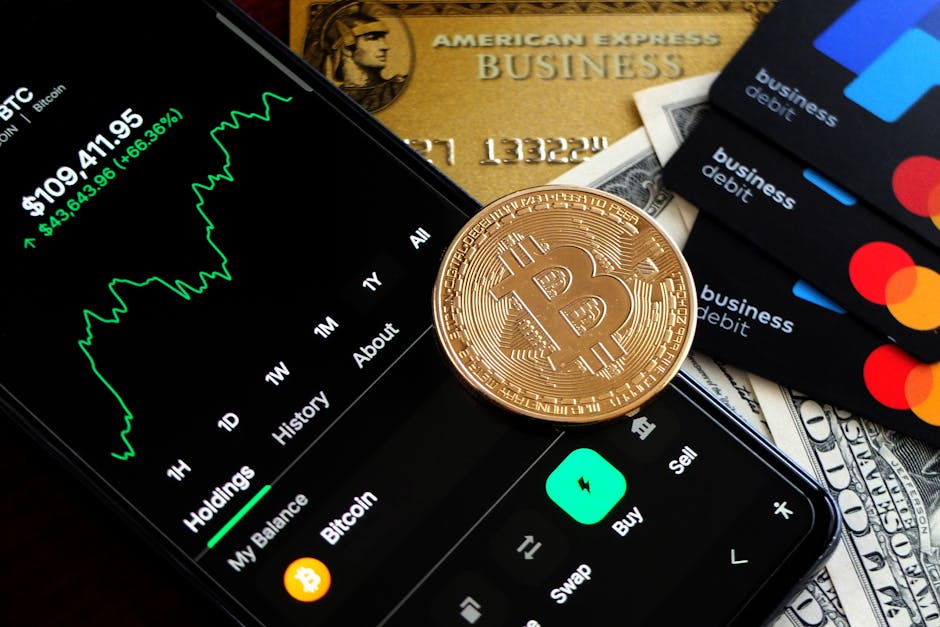
Cryptocurrencies have also seen notable activity. Bitcoin is trading at $112,849, up 0.78%, while Ethereum stands at $4,159.26, an increase of 1.37%. These gains suggest a growing interest in digital assets amid traditional market fluctuations.
In response to these developments, financial education initiatives are gaining traction. The FDIC's Money Smart program, for instance, offers resources to help individuals build financial resilience and preparedness. As National Preparedness Month approaches, such programs are emphasizing the importance of financial readiness in uncertain times.
Overall, the U.S. financial sector is navigating a period of transition, with policy changes influencing market dynamics and prompting a renewed focus on financial literacy.
## Recent Shifts in U.S. Financial Policies and Market Trends:
– [Money becomes more precarious], Published on Friday, February 14