The U.S. stock market is experiencing significant volatility as investors react to escalating global tensions and mixed economic indicators. The S&P 500, a benchmark for U.S. equities, is currently trading at $621.72, reflecting a decline of 1.63% from the previous close. Similarly, the Dow Jones Industrial Average ETF is down 1.27%, and the Invesco QQQ Trust Series 1 has decreased by 1.97%.
Recent geopolitical developments have contributed to market uncertainty. The U.S. government's involvement in the conflict between Iran and Israel has raised concerns about potential disruptions in global oil supplies. Oil prices have surged over 2% following U.S. airstrikes on Iranian nuclear sites, leading to fears of supply disruptions. Additionally, the Federal Reserve's recent interest rate decisions have added to market apprehension, with investors closely monitoring the central bank's next moves.
In the technology sector, companies like Apple Inc. and Microsoft Corporation are facing stock price declines. Apple's stock is down 2.55%, trading at $202.38, while Microsoft's shares have decreased by 1.76%, now at $524.11. These declines are attributed to investor concerns over global economic instability and potential impacts on consumer spending.
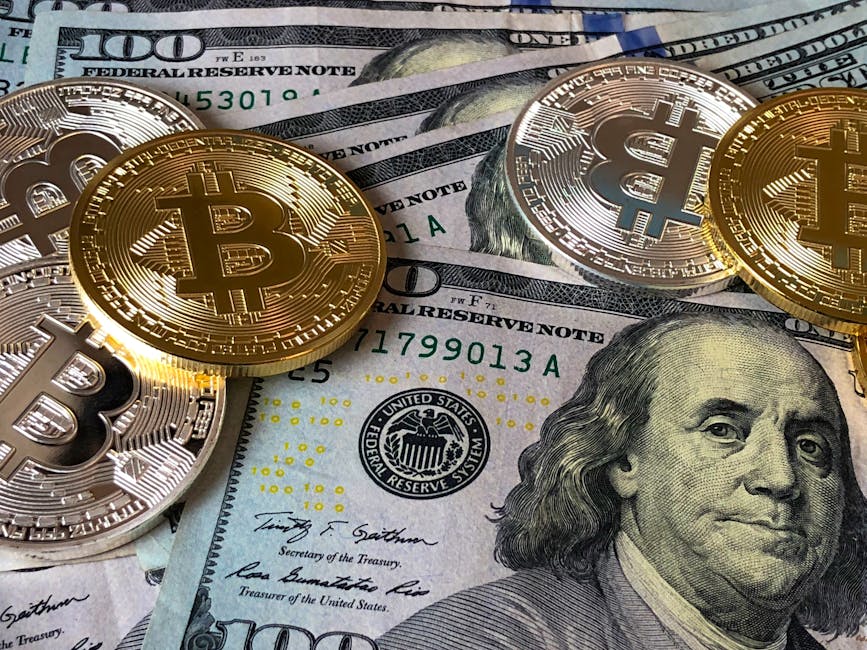
Cryptocurrency markets are also reacting to the current economic climate. Bitcoin has seen a slight increase of 0.58%, trading at $114,427, while Ethereum has risen by 2.11%, reaching $3,556.80. Despite these gains, the crypto market remains volatile, with investors cautious amid broader economic uncertainties.
Analysts advise investors to exercise caution and stay informed about global events and economic indicators. Diversifying investment portfolios and consulting with financial advisors are recommended strategies to navigate the current market volatility. As the situation develops, market conditions may continue to fluctuate, underscoring the importance of staying updated on financial news and trends.